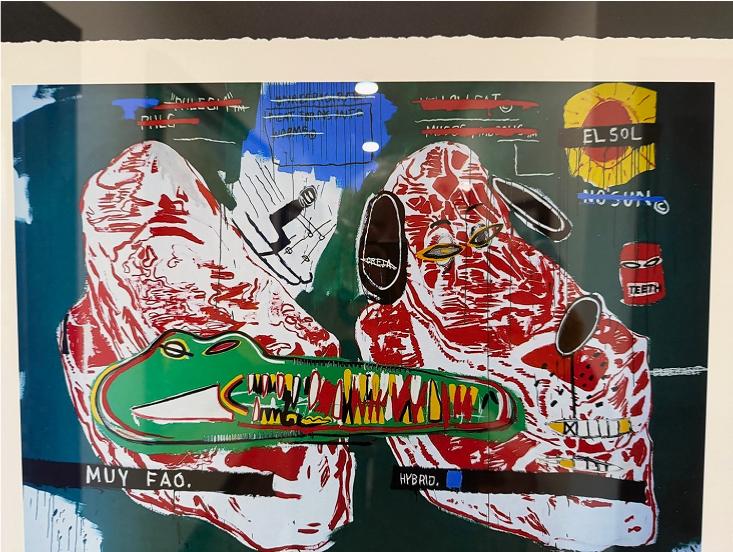
Artists include- Picasso, Chagall, Basquiat, Haring, Lichenstein, and Manet.
Pablo Picasso: The Architect of Modern Art
Pablo Picasso (1881-1973) stands as arguably the most influential figure in 20th-century art. A Spanish painter, sculptor, printmaker, and ceramicist, he co-founded the Cubist movement and spent most of his adult life in France, where he fundamentally restructured how the Western world perceives reality on a canvas.
Key Artistic Phases
Picasso was defined by his restless evolution. Unlike artists who master a single style, he reinvented his visual language every decade:
* Blue Period (1901-1904): reflecting a period of personal depression and poverty.
* Rose Period (1904-1906):, often featuring circus performers, harlequins, and clowns.
* African-Influenced Period (1907-1909): Inspired by African tribal masks
* Cubism (1909-1919): breaking objects into geometric fragments
* Neoclassicism & Surrealism (1920s-1930s): distorted, dreamlike imagery
Legacy in the Market
Picasso remains the ultimate "Blue Chip" artist. His works consistently break auction records, with his paintings frequently exceeding $100 million.
* Volume: He was incredibly prolific, with an estimated 50,000 works produced during his 75-year career.
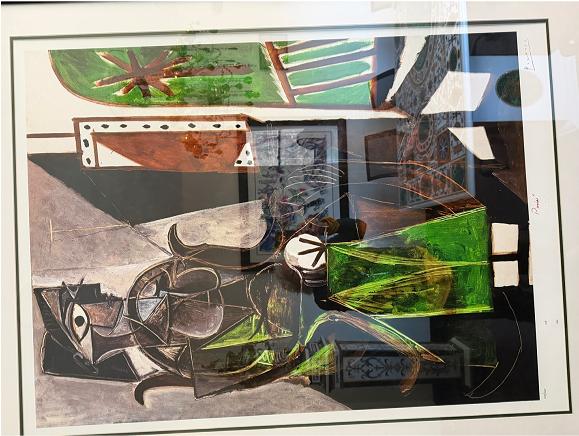
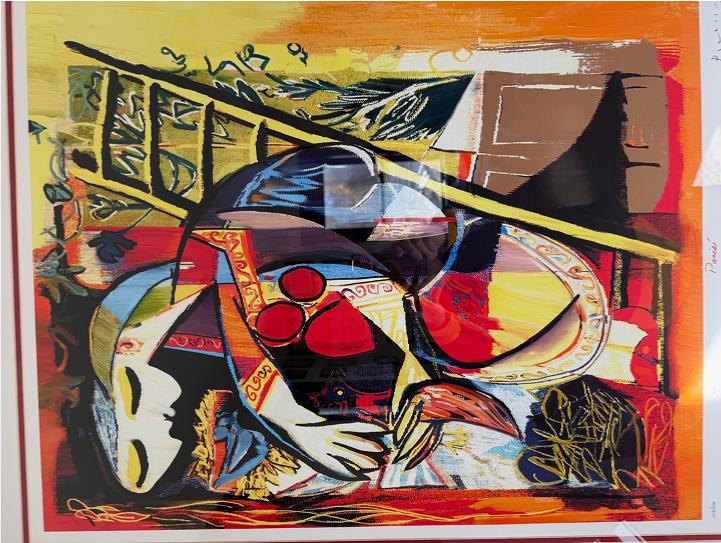
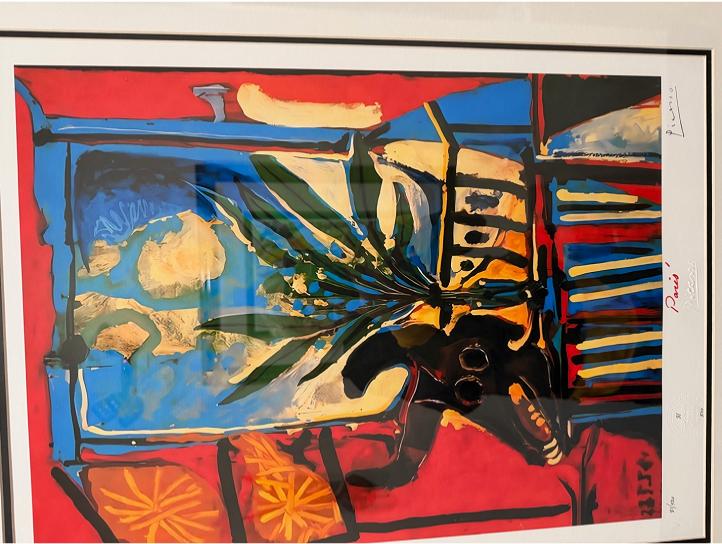
* Mediums: Beyond oils, his linocuts and ceramics (produced at the Madoura studio) are highly sought after by collectors for their accessibility compared to his primary canvases.
Summary of Impact
Picasso's genius lay in his ability to deconstruct the world and put it back together in a way that felt more "true" than a photograph. He famously said, "Art is the lie that enables us to realize the truth." By rejecting the rules of the Renaissance and embracing abstraction, he gave subsequent generations of artists the permission to prioritize emotion and intellect over literal representation.
Marc Chagall: The Poet of Color and Dreams
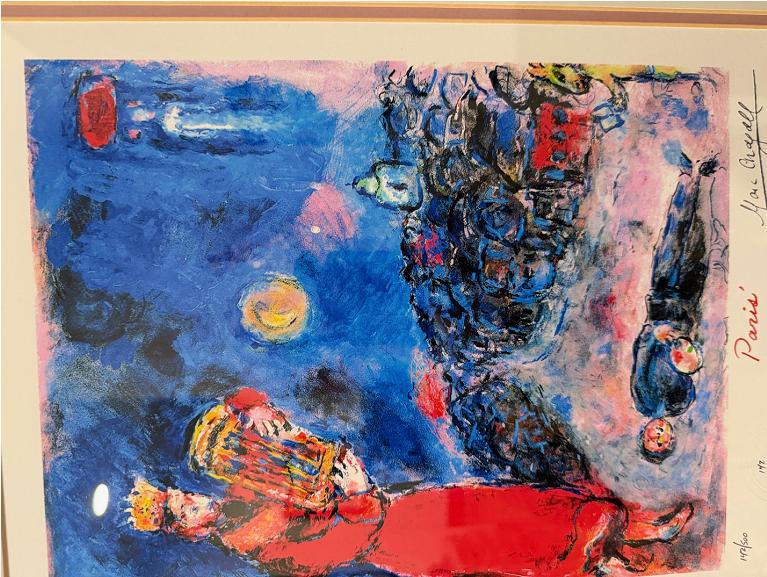
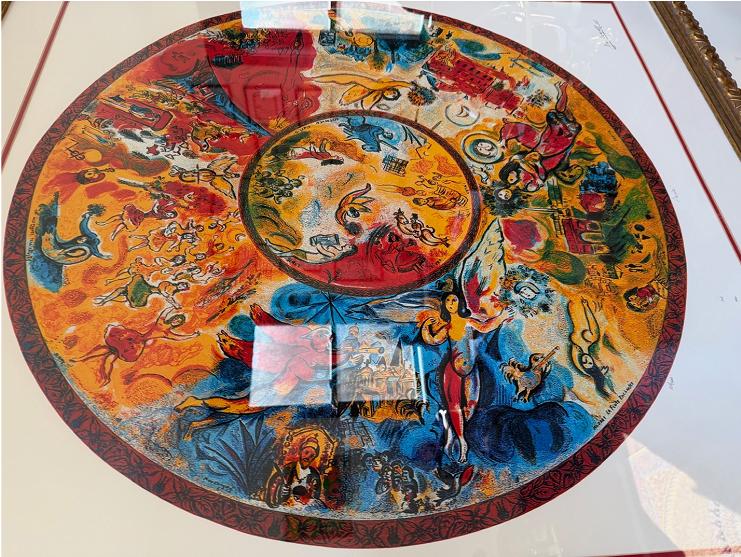
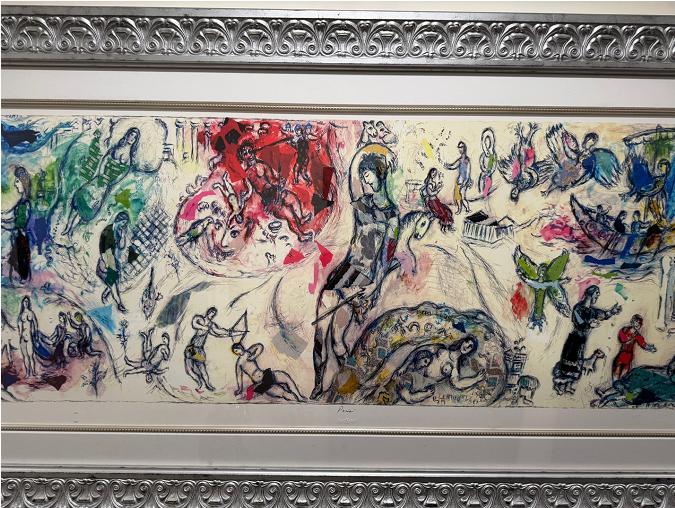
Marc Chagall (1887-1985) was a Belarusian-French artist who became one of the most successful and beloved figures of 20th-century Modernism. While his contemporaries like Picasso focused on deconstructing form, Chagall focused on the architecture of memory, folklore, and the subconscious.
Signature Style and Themes
Chagall's work is instantly recognizable for its defiance of gravity and logic. His paintings often feature floating figures, inverted houses, and anthropomorphic animals.
* Folk Narrative: Much of his imagery is rooted in his childhood in Vitebsk (modern-day Belarus) and Hasidic Jewish culture. This includes recurring motifs of fiddlers on roofs, Torah scrolls, and small-town village life.
* Love and Romance: Chagall's work frequently celebrates his lifelong devotion to his first wife, Bella Rosenfeld. They are often depicted as "The Lovers," soaring above cities in an eternal embrace.
Legacy in the Art Market
Chagall is a pillar of the art market, valued for his emotional resonance and decorative appeal.
* Investment Profile: His works are considered "blue-chip" because they appeal to a global audience across cultural lines.
* Accessibility: Because he was so prolific in lithography, many collectors enter the market through his limited edition prints, which capture his vibrant color palettes at a more accessible price point than his oils.
Summary of Impact
Chagall refused to be tied to a single movement like Surrealism or Fauvism. Instead, he pioneered a style that bridged the gap between the modern world and the ancient traditions of his heritage. He didn't just paint what he saw; he painted what he felt, famously stating: "If I create from the heart, nearly everything works; if from the head, almost nothing."
Jean-Michel Basquiat: The Voice of the Streets and the Museum
Jean-Michel Basquiat (1960-1988) was a meteoric force who moved from the subways of Manhattan to the pinnacle of the global art market in less than a decade. Often categorized as a Neo-Expressionist, his work blended graffiti, poetry, and social critique, focusing on the dichotomy of the Black experience in America.
Core Themes & Visual Language
* The Crown: His most famous signature. It was used to "sanctify" his subjects-African American athletes, jazz musicians, and everyday people-elevating them to the status of kings and martyrs.
* Anatomy and Skulls: Following a childhood accident, he became obsessed with Gray's Anatomy. His work often features skeletal figures and exposed organs, exploring the tension between the physical body and the spiritual self.
* SAMO© and Text: Beginning as a graffiti artist under the name SAMO (Same Old Shit), he integrated crossed-out words into his canvases. He famously claimed he crossed out words so that people would "see them more."
Market Dynamics (2026 Update)
Basquiat currently holds the record for the most expensive American artist ever sold at auction (Untitled, 1982, sold for $110.5 million).
* The "Trophy" Market ($40M - $100M+): Large-scale canvases from his "watershed" year of 1982 are the most coveted. For instance, Museum Security (Broadway Meltdown) is slated for auction this May with an estimate exceeding $45 million.
* The Print Market ($50,000 - $4M): Because his original canvases are priced for billionaires, his limited edition screenprints (like the Anatomy or Rinso series) have become the primary entry point for serious collectors. Rare sets can still fetch seven figures.
Why He Matters Today
Basquiat's relevance has only grown since his death at age 27. He bridged the gap between "high" and "low" culture, proving that the energy of the street could command the same respect (and price) as the Old Masters. His work remains a vital critique of power, race, and the commodification of the artist.